Static Pressure Switch Vacuum Sensor SWC09902 | RV Furnace & Water Heater Replacement

$50.30

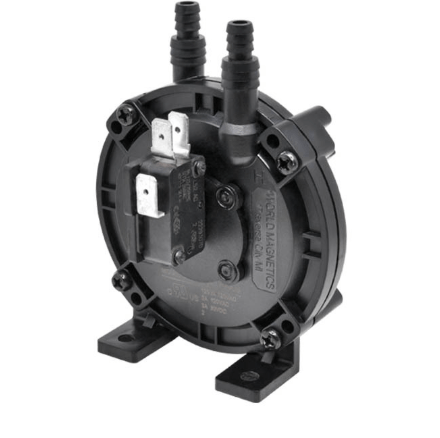
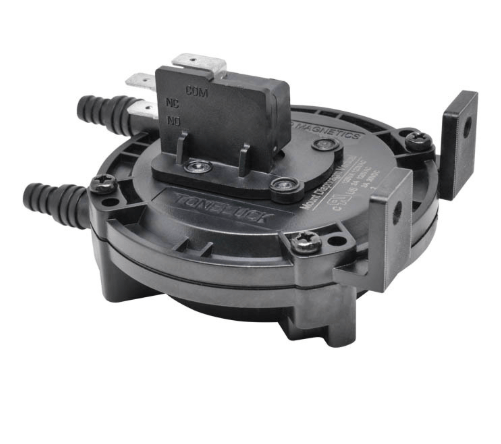
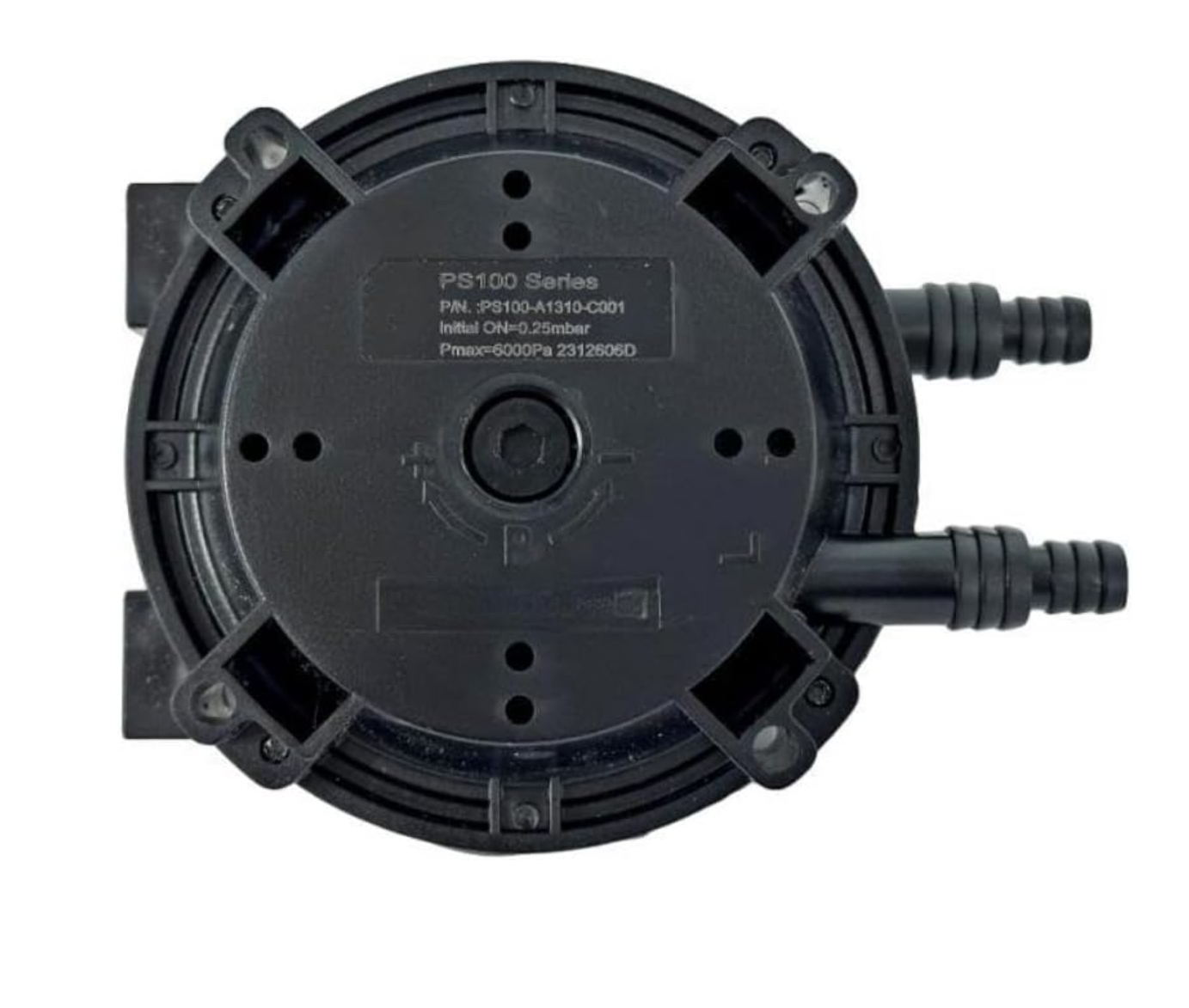
SWC09902 static pressure switch vacuum sensor for RV furnaces and water heaters. Detects proper combustion airflow and vacuum before allowing ignition. Safety-critical component for Atwood, Suburban, Dometic systems. Direct replacement, easy install. Free shipping worldwide.

Free shipping on orders over $60! Delivery time: 7-12 days

  • Check Mark Satisfaction Guaranteed
  • Check Mark No Hassle Refunds
  • Check Mark Secure Payments
GUARANTEED SAFE CHECKOUT
  • Visa Card
  • MasterCard
  • American Express
  • Discover Card
  • PayPal
SKU: SWC09902 Categories: ,

Static Pressure Switch Vacuum Sensor SWC09902 – RV Furnace & Water Heater Replacement

The static pressure switch (also called a vacuum switch or airflow switch) is a critical safety component in your RV furnace or water heater. It detects proper combustion airflow and vacuum before allowing the ignition sequence to proceed. If the combustion fan is not running, the exhaust is blocked, or there’s a vacuum leak, the pressure switch will not close, preventing the gas valve from opening and avoiding dangerous unburned gas accumulation.

This SWC09902 static pressure switch vacuum sensor is designed as a direct replacement for RV furnaces and water heaters that use a pressure switch for safety verification. It features a precise actuation point, durable construction, and simple mounting.

Compatibility

  • Atwood Hydro Flame furnaces with pressure switch: 85-IV, 89-III, AFMD, 7900-II series (select models)
  • Atwood water heaters with pressure switch: GC6AA, G16-EXT, GC10A (select models)
  • Suburban furnaces with pressure switch: SF-20, SF-25, SF-30, SF-35, SF-42 (select models)
  • Suburban water heaters with pressure switch: SW6D, SW10D (select models)
  • Dometic DFMD series furnaces (rebranded Atwood)
  • Replaces part numbers: SWC09902, 09902, 33488, 31501 (pressure switch component)
  • Most RV furnaces and water heaters with induced draft (combustion fan) systems

Specifications

ParameterSpecification
Part NumberSWC09902 (replaces 09902)
Switch TypeNormally open (NO) diaphragm actuated pressure switch
ActuationCloses on vacuum (negative pressure)
Set Point~0.5-1.0 inches W.C. (water column) vacuum
Electrical Rating12V DC, 5A (resistive)
Connections2x 1/4″ spade terminals (electrical)
Pressure Port1/8″ NPT or hose barb (for vacuum tube)
Mounting2-screw flange mounting (matches original)
Operating Temp-40°F to 180°F (-40°C to 82°C)
HousingHigh-temperature plastic with metal diaphragm
CertificationCE, RoHS, UL recognized components

How It Works

The static pressure switch is connected to the combustion fan’s exhaust or venturi via a small rubber tube. When the combustion fan starts during the pre-purge phase, it creates a vacuum (negative pressure) in the exhaust system. This vacuum pulls on the switch’s diaphragm, causing the electrical contacts to close. The ignition control board monitors this switch — it will only open the gas valve and attempt ignition if the pressure switch is closed, confirming proper airflow. If the switch doesn’t close (fan not running, blocked exhaust, cracked hose, or bad switch), the furnace/water heater will not ignite, preventing dangerous gas buildup.

Installation Guide

  1. Safety first: Disconnect 12V power at the battery. Turn off propane supply. Allow the furnace/water heater to cool completely.
  2. Access the switch: Remove the exterior access panel. The pressure switch is typically mounted near the combustion fan or burner assembly, with a small rubber tube connecting it to the fan housing or exhaust venturi.
  3. Document connections: Take photos of the wiring and vacuum tube connections before disconnecting. Note the position of each wire and the tube routing.
  4. Disconnect wiring: Remove the two wire connectors from the switch terminals (polarity doesn’t matter for this switch).
  5. Disconnect vacuum tube: Gently pull the rubber vacuum tube off the switch’s pressure port. Inspect the tube for cracks, brittleness, or blockages — replace if damaged.
  6. Remove old switch: Unscrew the 2 mounting screws holding the switch to the mounting bracket.
  7. Install new switch: Mount the new SWC09902 switch in the same position. Secure with the 2 mounting screws. Ensure the pressure port is oriented correctly (usually pointing down or toward the fan).
  8. Reconnect vacuum tube: Push the rubber tube onto the new switch’s pressure port. Ensure it is securely attached and there are no kinks or sharp bends. The tube should have a gentle downward slope to prevent condensation buildup.
  9. Reconnect wiring: Connect the two wires to the switch terminals. Ensure a secure connection.
  10. Test operation: Reconnect 12V power. Turn on propane. Set the thermostat to call for heat. Verify the ignition sequence: combustion fan starts → pressure switch closes (you may hear a faint click) → spark ignites → gas valve opens → burner lights. If the unit doesn’t ignite, check the vacuum tube connections and ensure the fan is creating proper vacuum. Let the unit run through at least one complete cycle.

Common Symptoms of a Bad Pressure Switch

  • Furnace/water heater won’t ignite — combustion fan runs but no spark or gas
  • Ignition board flashes a pressure switch error code (check your manual)
  • Unit ignites sometimes but not always (intermittent switch failure)
  • Combustion fan runs continuously but unit never ignites
  • Switch doesn’t click when the fan starts (listen carefully near the switch)
  • Cracked or disconnected vacuum tube (check first — this is a common cause!)
  • Blocked exhaust or venturi (causes insufficient vacuum to close the switch)
  • Switch contacts are burned or pitted (causes high resistance or open circuit)
  • Diaphragm is torn or stuck (prevents switch actuation)

Troubleshooting Tips

  • Check the vacuum tube first: Before replacing the switch, inspect the rubber tube for cracks, disconnections, kinks, or blockages. A bad tube is the most common cause of pressure switch errors. Replace the tube if it’s brittle, cracked, or clogged.
  • Test the switch manually: Disconnect the vacuum tube and gently apply suction to the switch’s port (with your mouth or a hand pump). You should hear a faint click when the switch closes. Use a multimeter to verify continuity across the terminals when suction is applied. If no click or no continuity, the switch is bad.
  • Check the combustion fan: Ensure the fan is running at full speed and creating proper vacuum. A weak or slow fan may not create enough vacuum to close the switch. Test the fan by measuring its RPM or current draw.
  • Inspect the exhaust: A blocked exhaust, bird nest, or insect nest in the vent can reduce airflow and vacuum. Inspect and clean the exhaust vent and venturi.
  • Check for leaks: A cracked heat exchanger, loose burner tube, or gasket leak can reduce vacuum. Inspect all gaskets and connections in the combustion chamber.

Frequently Asked Questions

Q: How do I test if my pressure switch is bad?

A: There are several ways to test a pressure switch: (1) Listen for the click: When the combustion fan starts, put your ear near the switch — you should hear a faint click when it closes. No click = bad switch or insufficient vacuum. (2) Multimeter test: Disconnect the wires and set the multimeter to continuity (ohms). Apply gentle suction to the pressure port — you should hear a click and see continuity (0 ohms or beep). Release suction — the switch should open (no continuity). If it doesn’t click or doesn’t change continuity, the switch is bad. (3) Voltage test: With the unit running, measure voltage across the switch terminals. If the switch is closed (good), you should read ~0V (continuity). If you read 12V, the switch is open (bad or no vacuum). Always check the vacuum tube and fan first before replacing the switch.

Q: Can I bypass the pressure switch to test?

A: We strongly recommend NOT bypassing the pressure switch for normal operation — it’s a critical safety component. However, for diagnostic purposes only (with the gas supply OFF), you can temporarily jumper the switch terminals to see if the ignition sequence proceeds. If jumpering the switch allows the spark and gas valve to activate (with gas off), then the switch or vacuum system is the problem. If jumpering doesn’t help, the issue is elsewhere (control board, gas valve, etc.). NEVER run the furnace with the pressure switch bypassed and gas connected — this can allow unburned gas to accumulate if the fan fails, creating a fire or explosion hazard. Always remove the jumper after testing.

Q: Why does my furnace work sometimes but not others?

A: Intermittent pressure switch issues can have several causes: (1) Sticking diaphragm: The switch diaphragm may stick in cold weather or after long periods of inactivity. Tapping the switch gently may free it. (2) Loose vacuum tube: A tube that’s partially disconnected may work sometimes but vibrate loose during operation. Check all tube connections. (3) Weak fan: A fan that’s starting to fail may create just enough vacuum sometimes but not consistently. Test the fan’s current draw and RPM. (4) Condensation in the tube: Water condensation in the vacuum tube can block airflow intermittently. Ensure the tube has a downward slope and no low spots where water can collect. (5) Draft variations: Wind or external air pressure can affect the exhaust draft, causing intermittent vacuum issues. Check the exhaust cap and venting.

Q: How often should I replace the pressure switch?

A: Under normal use, a pressure switch typically lasts 5-8 years. However, it can fail earlier due to: (1) Corrosion from moisture in the vacuum tube, (2) Diaphragm fatigue from repeated cycling, (3) Contact pitting from electrical arcing, (4) Physical damage from vibration or impact. We recommend inspecting the switch and vacuum tube annually as part of your furnace/water heater maintenance. If you notice intermittent ignition issues, error codes, or the switch doesn’t click consistently, replace it proactively. Keeping a spare pressure switch on hand is a good idea for RVers, as it’s a common failure point and an inexpensive part.

Related Products

Need help diagnosing your RV furnace or water heater pressure switch issue? Contact our technical team with your model number and symptoms. Free shipping and duties included on all orders.

Reviews

There are no reviews yet.

Be the first to review “Static Pressure Switch Vacuum Sensor SWC09902 | RV Furnace & Water Heater Replacement”