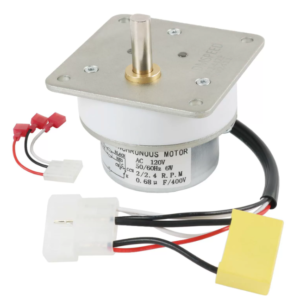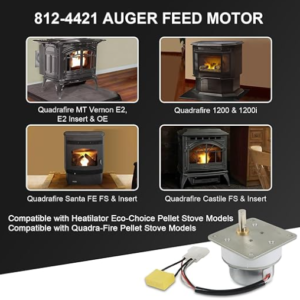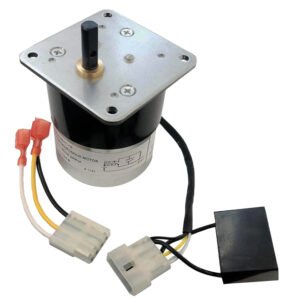
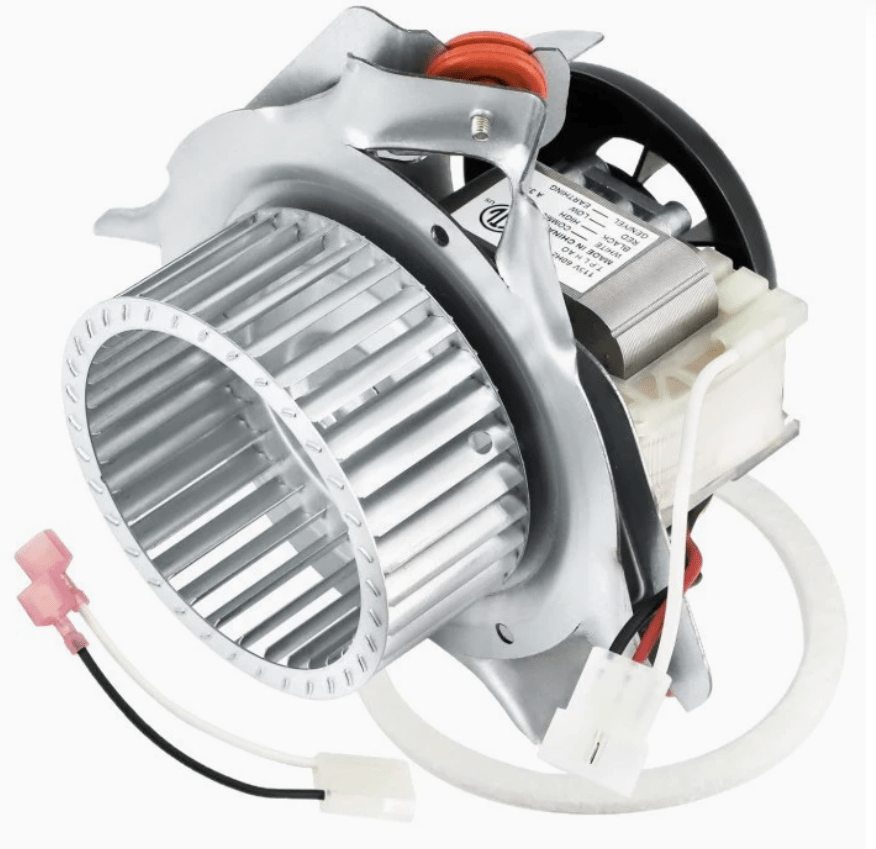
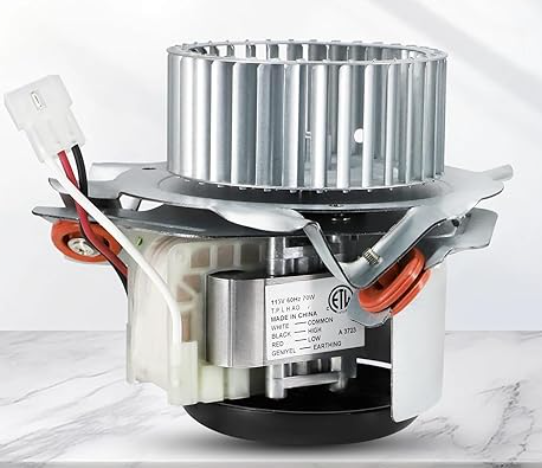
326628-762 Furnace Draft Inducer Motor | 12V RV Furnace Combustion Blower Replacement
$70.00
326628-762 furnace draft inducer motor for RV furnaces. 12V DC combustion blower that creates proper draft for exhaust and vacuum for pressure switch. Replacement for Atwood, Suburban, Dometic furnaces. Quiet operation, durable bearings, direct fit. Free shipping worldwide.
Free shipping on orders over $60! Delivery time: 7-12 days
- Satisfaction Guaranteed
- No Hassle Refunds
- Secure Payments
326628-762 Furnace Draft Inducer Motor – 12V RV Furnace Combustion Blower Replacement
The draft inducer motor (also called the combustion blower or exhaust fan) is a critical component in induced-draft RV furnaces. It creates a negative pressure (draft) in the combustion chamber and exhaust system, ensuring proper airflow for combustion and venting of exhaust gases. The draft inducer also creates the vacuum that closes the pressure switch, allowing the ignition sequence to proceed. A failing draft inducer can cause weak or no draft, pressure switch errors, incomplete combustion, or complete furnace failure.
This 326628-762 furnace draft inducer motor is designed as a direct replacement for RV furnaces that use a 12V DC combustion blower. It features a durable motor, balanced fan wheel, and quiet operation for reliable performance.
Compatibility
- Atwood Hydro Flame furnaces with draft inducer: 85-IV, 89-III, AFMD, 7900-II series (select models)
- Atwood 326628-762, 326628-761, 326628-763 draft inducer assemblies
- Suburban furnaces with draft inducer: SF-20, SF-25, SF-30, SF-35, SF-42 (select models)
- Dometic DFMD series furnaces (rebranded Atwood)
- Replaces part numbers: 326628-762, 326628-761, 33488, 31501 (draft inducer component)
- Most 16,000-40,000 BTU induced-draft RV furnaces
Specifications
| Parameter | Specification |
|---|---|
| Part Number | 326628-762 (replaces 326628-761, 326628-763) |
| Voltage | 12V DC (10.5-15V operating range) |
| RPM | ~3000-3500 RPM (free air) |
| Current Draw | ~1.5-3.0A (depending on load) |
| Fan Type | Centrifugal squirrel cage blower wheel |
| Airflow | ~40-60 CFM (cubic feet per minute) |
| Static Pressure | ~0.5-1.5 inches W.C. (water column) |
| Shaft Type | Single shaft (fan wheel on one end) |
| Mounting | 2 or 4 bolt flange mounting (matches original) |
| Rotation | Clockwise or counterclockwise (match original — check before ordering) |
| Bearings | Sleeve bearings (self-lubricating) or ball bearings (depending on model) |
| Operating Temp | -40°F to 200°F (-40°C to 93°C) — high-temperature rated |
| Fan Wheel | Included (pre-mounted and balanced) |
| Certification | CE, RoHS, UL recognized components |
How It Works
In an induced-draft furnace, the draft inducer motor starts before the gas valve opens (during the pre-purge phase). It draws combustion air through the burner and pushes exhaust gases out through the vent. This creates a negative pressure (vacuum) in the combustion chamber, which: (1) Ensures proper air-gas mixture for complete combustion, (2) Prevents exhaust gases from leaking into the living space, (3) Creates the vacuum that closes the pressure switch, signaling the control board that it’s safe to open the gas valve and attempt ignition. The draft inducer continues running throughout the heating cycle and for a post-purge period after the thermostat is satisfied, to clear any remaining combustion gases from the heat exchanger.
Installation Guide
- Safety first: Disconnect 12V power at the battery. Turn off propane supply. Allow the furnace to cool completely (the draft inducer and exhaust can be very hot after operation).
- Access the draft inducer: Remove the furnace exterior access panel. The draft inducer is typically mounted on the exhaust side of the furnace, near the burner assembly. You may need to remove the furnace from its mounting for easier access.
- Document connections: Take photos of the wiring, exhaust vent connection, and mounting before disconnecting. Note the rotation direction of the fan wheel (CW or CCW) — the replacement must match.
- Disconnect wiring: Unplug the wire connectors from the motor terminals (two wires — polarity doesn’t matter for most DC motors, but check the wiring diagram).
- Disconnect exhaust vent: Loosen the clamp or screws holding the exhaust vent pipe to the draft inducer’s outlet. Gently pull the vent pipe off. Be careful — the vent pipe may be brittle from heat exposure.
- Disconnect pressure switch tube: If the draft inducer has a pressure tap for the vacuum switch, gently pull the rubber tube off the port. Inspect the tube for cracks or blockages.
- Remove old draft inducer: Unscrew the mounting bolts (2 or 4 bolts) holding the draft inducer assembly to the furnace housing. Carefully remove the assembly, noting the gasket position between the inducer and the furnace.
- Clean the mounting surface: Use a wire brush or scraper to clean the furnace housing mounting surface. Remove any old gasket material, corrosion, or debris. Inspect the heat exchanger outlet for blockages or damage.
- Install new gasket: Place a new heat-resistant gasket (if included) over the mounting surface. If no gasket is included, use high-temperature RTV silicone sealant.
- Install new draft inducer: Position the new 326628-762 draft inducer assembly onto the mounting surface, ensuring the fan wheel rotation direction matches the original. Secure with the mounting bolts, tightening evenly in a crisscross pattern.
- Reconnect exhaust vent: Slide the exhaust vent pipe onto the draft inducer’s outlet. Secure with a clamp or screws. Ensure a tight, leak-free connection — exhaust leaks can allow carbon monoxide into the living space.
- Reconnect pressure switch tube: Push the rubber vacuum tube onto the pressure tap port. Ensure it is securely attached and there are no kinks.
- Reconnect wiring: Plug the wire connectors onto the motor terminals. Ensure a secure connection.
- Test operation: Reconnect 12V power. Turn on propane. Set the thermostat to call for heat. Verify:
- The draft inducer starts immediately (you should hear it and feel airflow at the exhaust vent)
- The pressure switch closes (you may hear a faint click) within 5-10 seconds
- The ignition sequence proceeds: spark → gas valve opens → burner lights
- The draft inducer runs continuously throughout the heating cycle
- After the thermostat is satisfied, the draft inducer continues running for a post-purge period (30-60 seconds), then shuts off
- No unusual noises (grinding, rattling, squealing) from the draft inducer
- No exhaust gas leaks at the vent connections (check with soapy water or a CO detector)
Let the furnace run through at least one complete heating cycle to verify proper operation.
Common Symptoms of a Bad Draft Inducer
- Furnace won’t ignite — draft inducer doesn’t start or runs too slowly
- Pressure switch error code or repeated lockouts (insufficient vacuum)
- Weak or no airflow at the exhaust vent
- Loud grinding, squealing, or rattling noises from the draft inducer
- Draft inducer runs but creates insufficient vacuum (weak motor or clogged fan)
- Exhaust gases leaking into the living space (carbon monoxide danger!)
- Burner flame is yellow or sooty (incomplete combustion from poor draft)
- Draft inducer starts and stops repeatedly (intermittent motor failure)
- Fan wheel is cracked, bent, or covered in soot/debris
- Motor housing is very hot to the touch (overheating from restricted airflow or bad bearings)
- 12V fuse for the furnace blows repeatedly (short circuit in motor windings)
Maintenance Tips
- Clean the fan wheel annually: Remove the draft inducer and clean the fan wheel with a soft brush or compressed air to remove soot, dust, and debris buildup. A dirty fan wheel reduces airflow and vacuum, causing pressure switch errors and poor combustion.
- Inspect the exhaust vent: Check the exhaust vent pipe and cap for blockages (bird nests, insect nests, leaves, snow). A blocked vent reduces draft and can cause exhaust backflow. Clean as needed.
- Check for exhaust leaks: Annually, inspect all exhaust connections (draft inducer to vent pipe, vent pipe sections, vent cap) for leaks. Use soapy water or a carbon monoxide detector. Exhaust leaks are a serious safety hazard — repair immediately.
- Lubricate bearings (if equipped): Some draft inducer motors have oil ports for bearing lubrication. If equipped, add 2-3 drops of lightweight machine oil (SAE 20) at the start of each heating season. Most modern motors are permanently lubricated and do not require oiling.
- Inspect the fan wheel: Check the fan wheel for cracks, bends, or imbalance. A damaged wheel can cause vibration, noise, and reduced airflow. Replace if damaged.
- Test the pressure switch vacuum: Use a manometer to measure the vacuum created by the draft inducer at the pressure switch tap. It should be within the manufacturer’s specification (typically 0.5-1.5 inches W.C.). If below spec, check for a dirty fan, blocked vent, or weak motor.
- Replace every 5-8 years: Under normal RV use, a draft inducer motor typically lasts 5-8 years. If you notice declining performance, increasing noise, or repeated pressure switch errors, replace it proactively. A failed draft inducer will leave you without heat, and exhaust leaks can be dangerous.
Frequently Asked Questions
Q: How do I test if my draft inducer motor is bad?
A: There are several ways to test a draft inducer motor: (1) Listen and feel: When the thermostat calls for heat, the draft inducer should start immediately. Put your hand near the exhaust vent — you should feel airflow. If no airflow, the motor may be bad or the fan may be blocked. (2) Measure voltage: Use a multimeter to measure 12V DC at the motor terminals when the furnace calls for heat. If 12V is present but the motor doesn’t run, the motor is bad. If no 12V, the issue is with the control board or wiring. (3) Test directly: Disconnect the motor wires and connect the motor directly to a 12V battery. If it doesn’t spin or spins slowly, the motor is bad. If it spins fine, check the control board and wiring. (4) Measure current draw: A good draft inducer typically draws 1.5-3.0A. If it draws more than 4A, the motor may be failing or the fan may be restricted. If it draws 0A, the motor windings are open (bad motor). (5) Measure vacuum: Use a manometer to measure the vacuum at the pressure switch tap. If below spec (0.5-1.5 inches W.C.), check for a dirty fan, blocked vent, or weak motor. Always check the fan wheel and exhaust vent for blockages before replacing the motor.
Q: What’s the difference between draft inducer and blower motor?
A: RV furnaces have two separate motors with different functions: (1) Draft Inducer Motor (Combustion Blower): This is a small, high-speed motor (3000-3500 RPM) that moves combustion air through the burner and pushes exhaust gases out the vent. It creates the vacuum for the pressure switch and ensures proper combustion. It’s located on the exhaust/combustion side of the furnace. (2) Blower Motor (Circulation Blower): This is a larger, slower-speed motor (2250 RPM) with a double shaft and two squirrel cage wheels. It draws air from the living space, pushes it through the heat exchanger (where it’s heated), and distributes warm air through the ductwork. It’s located on the interior/air distribution side of the furnace. Both motors are essential for furnace operation, but they serve different purposes. The draft inducer is a safety/combustion component, while the blower motor is a comfort/air distribution component. They are not interchangeable and have different part numbers and specifications.
Q: Can I replace just the motor or do I need the whole assembly?
A: This depends on the specific furnace model. In some furnaces, the draft inducer motor and fan wheel are available as separate components, and you can replace just the motor. In other models, they are sold as a complete assembly (motor + fan wheel + housing + gasket). This 326628-762 listing is for the complete draft inducer assembly, which includes the motor, fan wheel, and housing. We recommend replacing the complete assembly for several reasons: (1) The fan wheel may be worn, dirty, or imbalanced — replacing just the motor with an old fan can cause vibration and reduced performance. (2) The housing gasket may be degraded — a new assembly includes a fresh gasket. (3) The complete assembly is pre-balanced and tested, ensuring proper airflow and vacuum. (4) It’s faster and easier to install — no need to remove and reinstall the fan wheel on the motor shaft. If you’re confident the fan wheel and housing are in good condition, you may be able to replace just the motor, but the complete assembly is the safer and more reliable option.
Q: Why is my furnace making a loud noise?
A: Loud noises from the furnace can come from either the draft inducer or the blower motor. To identify which motor is causing the noise: (1) Listen during pre-purge: When the thermostat first calls for heat, the draft inducer starts before the blower motor. If the noise starts immediately, it’s likely the draft inducer. (2) Listen during heating: The blower motor starts after the draft inducer and ignition. If the noise starts after a delay (30-60 seconds), it’s likely the blower motor. (3) Noise type: Draft inducer noises are often high-pitched (whining, whistling) from the high-speed fan. Blower motor noises are often lower-pitched (rumbling, rattling) from the larger, slower fan. Common causes of draft inducer noise: (a) Worn bearings (grinding or squealing), (b) Dirty or imbalanced fan wheel (rattling or vibration), (c) Loose mounting bolts (vibration), (d) Blocked exhaust vent (whistling from restricted airflow), (e) Cracked fan wheel (rattling or clicking). Common causes of blower motor noise: (a) Worn bearings (grinding or squealing), (b) Loose blower wheel set screws (rattling), (c) Wheel rubbing housing (scraping), (d) Debris in the blower (clicking or rattling), (e) Loose furnace mounting (vibration). If the noise is a high-pitched squeal or grinding, it’s most likely a motor bearing issue and the motor should be replaced.
Related Products
- 37357 RV Furnace Blower Motor — 12V double shaft circulation blower motor
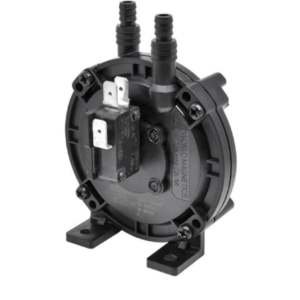
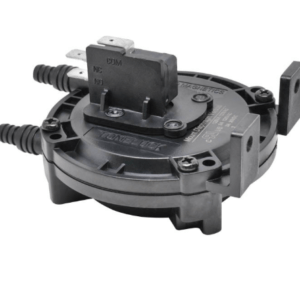
- Static Pressure Switch (SWC09902) — Vacuum sensor for induced-draft furnaces
- FAN 50 PLUS Ignitor Board — Universal 12V furnace ignitor board with fan control
Need help diagnosing or replacing your RV furnace draft inducer? Contact our technical team with your furnace model number and symptoms. Free shipping and duties included on all orders.
You must be logged in to post a review.


Reviews
There are no reviews yet.