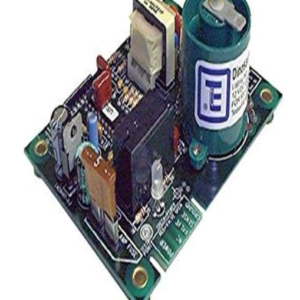
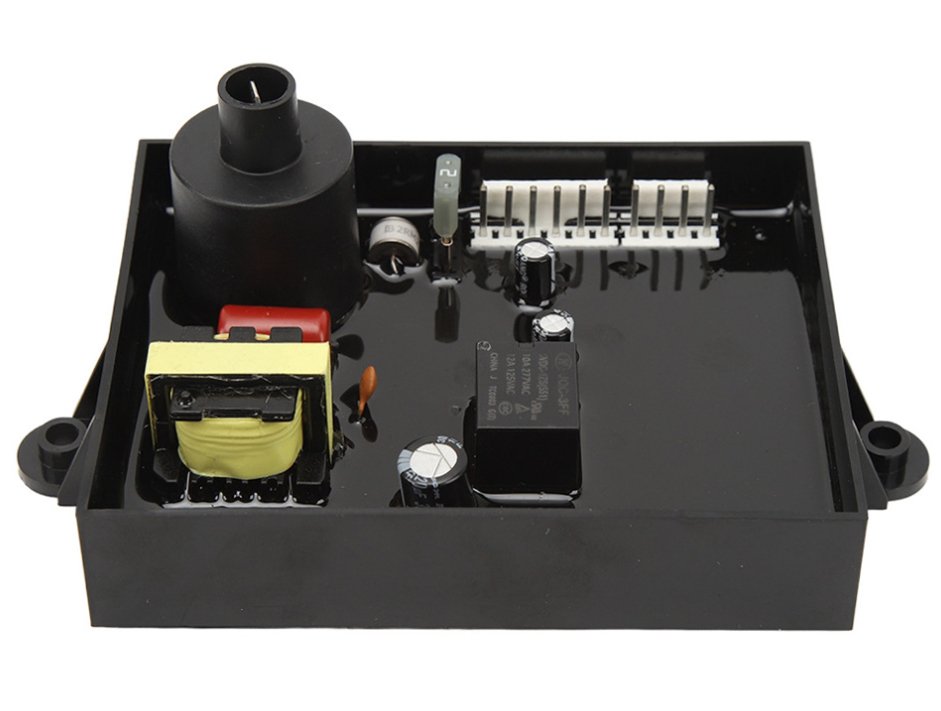
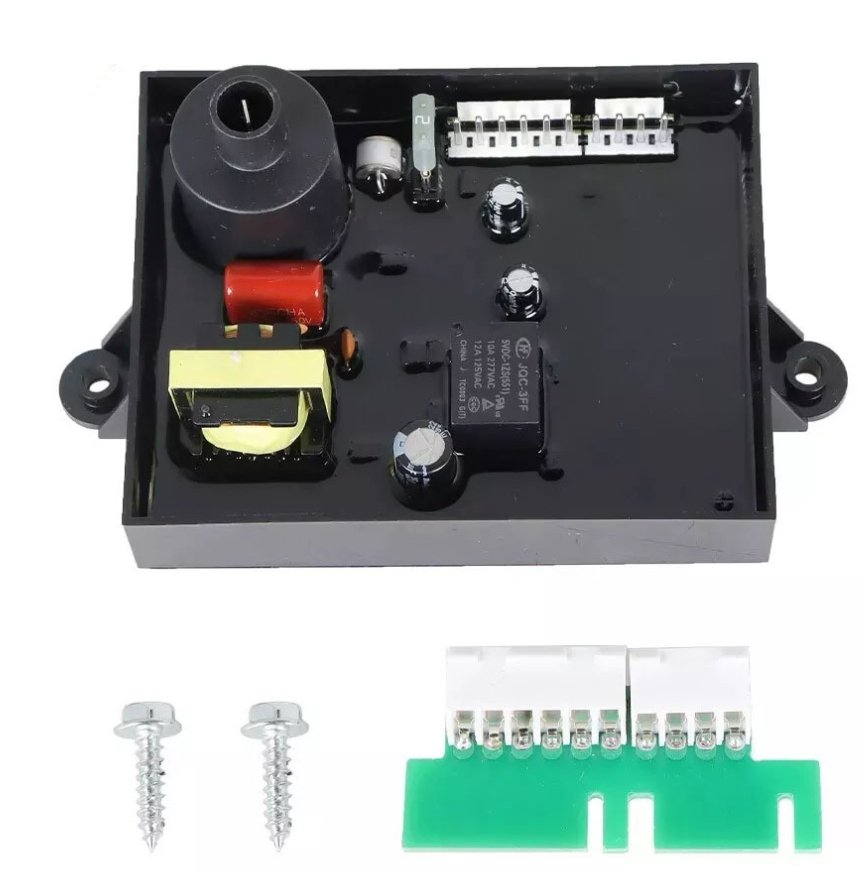
RV Water Heater Control Circuit Board with Fuse | Atwood 6-10 Gallon Replacement

$29.80

RV water heater control circuit board with integrated fuse for Atwood 6-10 gallon water heaters. 12V spark ignition, flame sensing, gas valve control, safety lockout. Built-in fuse protection for easy troubleshooting. Direct replacement, plug-and-play. Free shipping worldwide.

56 in stock

Free shipping on orders over $60! Delivery time: 7-12 days

  • Check Mark Satisfaction Guaranteed
  • Check Mark No Hassle Refunds
  • Check Mark Secure Payments
GUARANTEED SAFE CHECKOUT
  • Visa Card
  • MasterCard
  • American Express
  • Discover Card
  • PayPal
SKU: 91226 Category:

RV Water Heater Control Circuit Board with Fuse – Atwood 6-10 Gallon Replacement

The water heater control circuit board is the electronic ignition module that manages the gas ignition sequence of your Atwood RV water heater. This particular model features an integrated fuse on the board, providing an extra layer of protection and making troubleshooting easier — if the water heater stops working, the first thing to check is the onboard fuse. The board controls 12V spark ignition, flame sensing, gas valve operation, and safety lockout, ensuring reliable hot water for your RV.

This control circuit board with fuse is designed as a direct replacement for Atwood 6-10 gallon RV water heaters with electronic ignition. It features reliable performance, built-in fuse protection, and plug-and-play installation with no programming required.

Compatibility

  • Atwood 6-gallon water heaters: GC6AA-10E, GC6AA-9E, G6A-8E, G6A-7E
  • Atwood 10-gallon water heaters: GE16-EXT, GE9-EXT, G16-EXT, GC10A-4E
  • Atwood water heaters with integrated fuse on the control board
  • Dometic WH-6GA, WH-9GA, WH-10GA water heaters (rebranded Atwood)
  • Replaces board numbers: 91367, 93844, 93870, 91602, 92834, 93305, 521099
  • Most Atwood/Dometic 6-10 gallon water heaters with 12V spark ignition and onboard fuse

Key Features

  • Integrated Fuse: Built-in fuse on the board for easy troubleshooting and protection. If the fuse blows, the board is protected from damage — simply replace the fuse.
  • 12V Spark Ignition: Reliable 15kV spark output for consistent ignition of the gas burner.
  • Flame Sensing: Flame rectification technology accurately detects the presence of a flame and keeps the gas valve open.
  • 3-Trial Ignition: Up to 3 ignition attempts before entering safety lockout, reducing nuisance lockouts from temporary issues.
  • 30-Minute Lockout: Safety lockout after 3 failed attempts prevents continuous gas flow. Manual reset (power cycle) required.
  • Gas Valve Control: 12V DC output for the gas solenoid valve (up to 2A), with proper timing for safe ignition.
  • Plug-and-Play: No programming or wiring modifications required. Simply remove the old board and install the new one.
  • Protection Circuitry: Reverse polarity, over-voltage, and under-voltage protection prevent damage from electrical issues.

Specifications

ParameterSpecification
Voltage12V DC (10.5-15V operating range)
Ignition TypeSpark ignition (12V input, 15kV spark output)
Flame SensingFlame rectification (microamp current sensing)
Gas Valve Output12V DC, up to 2A (SPST relay)
Integrated Fuse5A or 10A blade fuse (check specific model)
Trial Ignition3 attempts, 8-10 seconds each
Lockout Time30 minutes (manual reset via power cycle)
ConnectionsWire leads (spade terminals) or edge connector
Mounting2-screw mounting (matches original footprint)
Operating Temp-40°F to 180°F (-40°C to 82°C)
CertificationCE, RoHS, UL recognized components

Installation Guide

  1. Safety first: Turn off propane supply at the tank. Disconnect 12V power at the battery or water heater switch. Also turn off 120V AC power if the water heater has an electric mode. Allow the water heater to cool completely.
  2. Access the board: Remove the water heater exterior access panel. The control board is typically mounted near the burner assembly, visible through the access panel. It may be behind a small plastic cover.
  3. Check the fuse first: Before replacing the board, check the integrated fuse on the old board. If the fuse is blown, try replacing just the fuse first — this may solve the problem without board replacement. If the fuse is good or blows again after replacement, the board needs replacement.
  4. Document connections: Take photos of all wiring connections before disconnecting. Note the position of each wire: 12V power (positive/negative), thermostat, gas valve, spark igniter, flame sensor.
  5. Disconnect wires: Remove all wire connectors from the old board terminals. Note the position of each wire.
  6. Remove old board: Unscrew the 2 mounting screws holding the board to the water heater housing.
  7. Install new board: Mount the new control board in the same position. Secure with the 2 mounting screws. Verify the integrated fuse is properly seated in its holder.
  8. Reconnect wires: Connect all wires to the corresponding terminals on the new board (refer to your photos). Ensure all connections are secure. Double-check the 12V power connections — incorrect wiring can blow the new board’s fuse or damage the board.
  9. Test operation: Reconnect 12V power (and 120V if applicable). Turn on propane. Turn on the water heater switch inside the RV. Verify the ignition sequence: spark ignites → gas valve opens → burner lights → flame is sensed → continues heating. Check for proper flame (blue with yellow tips). Let the unit run until it reaches temperature and cycles off. If the fuse blows immediately, disconnect power and check for a short circuit in the wiring or gas valve. If the unit locks out, check all wiring connections, the gas supply, and the electrode gap.

Common Symptoms of a Bad Control Board

  • Integrated fuse keeps blowing (short circuit in board or wiring)
  • Water heater won’t ignite — no spark or gas
  • Spark occurs but gas valve doesn’t open (no flame)
  • Flame ignites but won’t stay lit (flame sensing failure)
  • Water heater locks out after one ignition attempt (should retry 3 times)
  • No spark at the electrode (spark output failure)
  • Intermittent operation — works sometimes, not others
  • Clicking sound from the board but no ignition
  • Burning smell or visible burn marks on the board
  • No hot water on gas mode — burner never ignites
  • Electric mode works but gas mode doesn’t (combination units)

Fuse Troubleshooting

The integrated fuse is a key feature of this board. Here’s how to troubleshoot fuse issues:

  • Fuse is blown: Replace the fuse with the same amperage rating (typically 5A or 10A). If the new fuse blows immediately when power is applied, there is a short circuit — check the wiring, gas valve, and spark igniter for shorts. Do NOT install a higher-amperage fuse — this can damage the board or create a fire hazard.
  • Fuse is good but no operation: If the fuse is intact but the water heater doesn’t work, check for 12V power at the board’s input terminals. If power is present but the board doesn’t activate, the board is likely bad. If no power, check the battery, switch, thermostat, and wiring.
  • Fuse blows intermittently: If the fuse blows after the water heater has been running for a while, it may indicate a failing component (gas valve, spark igniter) that draws excessive current when hot. Test each component individually to identify the culprit.
  • Always carry spare fuses: Keep a few spare fuses of the correct rating in your RV toolkit. A blown fuse is a common issue and having spares ensures you won’t be without hot water.

Frequently Asked Questions

Q: What amp rating is the integrated fuse?

A> The integrated fuse on this control board is typically a 5A or 10A blade fuse, depending on the specific model. The exact rating should be printed on the fuse itself or noted in the board’s documentation. Always replace the fuse with the same amperage rating — installing a higher-rated fuse can bypass the protection and damage the board or create a fire hazard. If you’re unsure, check the old fuse’s rating (printed on the fuse body) and match it. Common ratings for Atwood water heater boards are 5A and 7.5A.

Q: Can I replace just the fuse instead of the whole board?

A: Yes! If the water heater stops working and you find the integrated fuse is blown, try replacing just the fuse first. This is a common and inexpensive fix. However, if the new fuse blows immediately or shortly after replacement, there is an underlying problem (short circuit in wiring, bad gas valve, bad spark igniter, or faulty board) that needs to be addressed. If the fuse keeps blowing, the board itself may have an internal short and need replacement. Always identify and fix the root cause before replacing the fuse repeatedly — repeated fuse blowing indicates a serious electrical issue.

Q: How do I test if my control board is bad?

A: To test the control board: (1) Check the integrated fuse — if blown, replace and retest. (2) Verify 12V DC power at the board’s input terminals when the water heater switch is on and the thermostat is closed. If no power, the issue is with the switch, thermostat, fuse, or wiring — not the board. (3) If power is present, check for spark at the electrode when the board activates. If no spark, check the spark wire and electrode. If they’re good, the board’s spark output is bad. (4) Check for 12V output at the gas valve terminals during the ignition phase. If no voltage but spark is present, the board’s gas valve relay is bad. (5) If the burner ignites but won’t stay lit, check the flame sensor. If the sensor is good, the board’s flame sensing circuit may be bad. (6) If the board doesn’t retry after a failed ignition, the board’s timing circuit is bad. If any of these tests fail and the external components are good, the control board needs replacement.

Q: Why does my water heater work on electric but not gas?

A: If your combination water heater (AC/gas) works on electric but not gas, the issue is specific to the gas ignition system. The electric heating element and gas ignition are separate systems controlled by different circuits. Common gas-specific issues: (1) Bad gas control board: The gas ignition board may have failed while the electric element still works. (2) Gas supply issue: Propane tank off, empty, or faulty regulator. Verify gas reaches other appliances. (3) Bad gas valve: The gas valve solenoid may be stuck or burned out. Test coil resistance (10-30 ohms). (4) Bad electrode or spark wire: Dirty, misaligned, or damaged spark electrode. (5) Blown fuse on gas board: The integrated fuse on the gas control board may be blown. Check and replace if needed. (6) Gas mode switch issue: The switch that selects gas mode may be faulty. To diagnose, check for 12V power at the gas control board when gas mode is selected. If power is present but no ignition, the board, gas valve, or electrode is likely bad.

Related Products

Need help repairing your Atwood water heater? Contact our technical team with your water heater model number and symptoms. Free shipping and duties included on all orders.

Reviews

There are no reviews yet.

Be the first to review “RV Water Heater Control Circuit Board with Fuse | Atwood 6-10 Gallon Replacement”