LP Propane Gas 2-Stage Regulator | North American RV Trailer Pressure Reducing Valve
$55.00
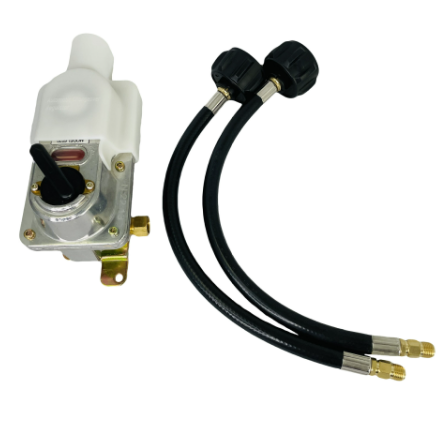
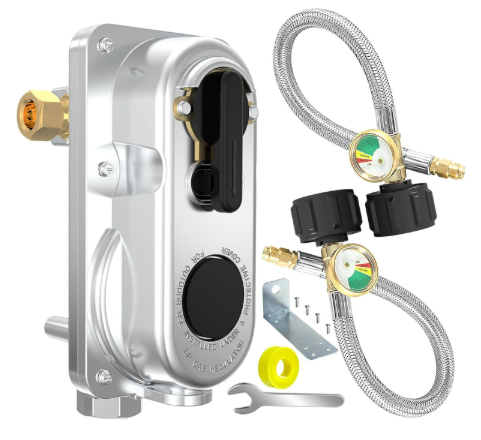
2-stage automatic LP propane gas regulator for North American RVs, trailers, and campers. Reduces tank pressure to 11″ WC (water column) for consistent appliance operation. Includes pipe regulator, vent, and mounting bracket. UL listed. Free shipping worldwide.
Free shipping on orders over $60! Delivery time: 7-12 days
- Satisfaction Guaranteed
- No Hassle Refunds
- Secure Payments
LP Propane Gas 2-Stage Regulator – North American RV Trailer Pressure Reducing Valve
The propane gas regulator is the most critical safety component in your RV’s LP gas system. It reduces the high pressure from the propane tank (typically 100-200 PSI depending on temperature) to a safe, consistent low pressure (11″ water column, approximately 0.4 PSI) that your RV appliances (furnace, water heater, stove, refrigerator) are designed to use. A faulty regulator can cause low flame, sooty flames, appliance damage, or dangerous gas leaks.
This 2-stage automatic LP propane gas regulator is designed for North American RVs, travel trailers, fifth wheels, and campers. It features a two-stage design for consistent pressure output regardless of tank level or temperature, and includes the pipe regulator, vent, and mounting bracket for a complete installation.
Compatibility
- All North American RVs, travel trailers, fifth wheels, and campers with LP gas systems
- Single tank and dual tank (auto-changeover) LP systems
- Propane tanks: 20 lb, 30 lb, 40 lb, 100 lb, and permanent ASME tanks
- Compatible with all standard RV LP gas appliances:
- RV furnaces (Atwood, Suburban, Dometic)
- Water heaters (Atwood, Suburban, Dometic)
- Stoves and ovens (Suburban, Wedgewood, Magic Chef)
- Refrigerators (Dometic, Norcold)
- Generators (Onan, Generac)
- Replaces most standard 2-stage RV regulators: Marshall 240, 250, 260; Cavagna; Trident; Camco; JR Products
- Standard 1/4″ NPT inlet and 3/8″ NPT outlet (most common RV configuration)
Specifications
| Parameter | Specification |
|---|---|
| Type | 2-stage automatic pressure regulator |
| Inlet Pressure | Up to 250 PSI (propane tank pressure) |
| Outlet Pressure | 11″ WC (water column) = ~0.4 PSI = ~2.7 kPa |
| Capacity | 150,000 BTU/hr (maximum flow) |
| Inlet Connection | 1/4″ NPT female (for pigtail hose from tank) |
| Outlet Connection | 3/8″ NPT female (for main gas line to RV) |
| Vent | Integral vent with rain cap (must point downward) |
| Mounting | Includes mounting bracket for wall or frame mounting |
| Temperature Range | -40°F to 140°F (-40°C to 60°C) |
| Material | Zinc die-cast body, stainless steel internal components |
| Certification | UL listed (UL 144), AGA certified, CSA certified, CE, RoHS |
| Color | Gray/black (standard RV regulator color) |
Why 2-Stage vs. Single-Stage?
A single-stage regulator reduces tank pressure to appliance pressure in one step. This can cause pressure fluctuations as the tank empties or as temperature changes, leading to inconsistent appliance performance.
A 2-stage regulator reduces pressure in two steps:
- First stage: Reduces tank pressure (100-250 PSI) to an intermediate pressure (~10-15 PSI). This stage is not affected by tank level or temperature.
- Second stage: Reduces the intermediate pressure to a precise 11″ WC for appliances. This stage maintains consistent output regardless of inlet pressure variations.
The result is consistent, reliable gas pressure for all your appliances, even when the tank is nearly empty or the temperature drops. All modern RVs use 2-stage regulators, and we strongly recommend upgrading from a single-stage regulator if you still have one.
Installation Guide
- Safety first: Turn off the propane supply at the tank valve. Disconnect the tank pigtail hose from the old regulator. Ensure all RV gas appliances are turned off. Work in a well-ventilated area — no open flames or sparks.
- Remove old regulator: Disconnect the pigtail hose from the regulator inlet (1/4″ NPT). Disconnect the main gas line from the regulator outlet (3/8″ NPT). Remove the mounting screws holding the regulator bracket to the RV wall or frame.
- Inspect and clean: Inspect the pigtail hose for cracks, brittleness, or corrosion. Replace if damaged. Clean the threads on the pigtail and main gas line with a wire brush.
- Install new regulator: Mount the new regulator bracket to the RV wall or frame in the same position. Ensure the regulator vent points downward (this is critical — the vent must drain water and debris). Secure with mounting screws.
- Connect inlet: Wrap 3-4 turns of gas-rated Teflon tape (yellow tape, NOT white) on the pigtail hose threads. Screw the pigtail into the regulator inlet (1/4″ NPT). Tighten with a wrench — do not over-tighten.
- Connect outlet: Wrap 3-4 turns of yellow gas Teflon tape on the main gas line threads. Screw the main gas line into the regulator outlet (3/8″ NPT). Tighten with a wrench.
- Test for leaks: Turn on the propane tank valve slowly. Apply a soapy water solution (or commercial gas leak detector) to all connections: tank valve, pigtail, regulator inlet, regulator outlet, and main gas line. Look for bubbles — any bubbling indicates a leak. If you find a leak, turn off the gas, tighten the connection, and retest. NEVER use a flame to check for gas leaks!
- Bleed the lines: With the tank valve open, go inside the RV and turn on a stove burner. It may take 10-30 seconds for gas to reach the burner as air is purged from the lines. Once the burner lights, let it run for 1-2 minutes to ensure all air is purged. Turn off the burner.
- Test all appliances: Light each gas appliance one at a time: stove burners, oven, furnace, water heater, refrigerator. Verify proper flame (blue with yellow tips, not yellow or sooty). Check that all appliances operate normally. If any appliance has a weak or yellow flame, there may still be air in the lines — let it run for a few more minutes.
- Final leak check: After all appliances are tested, do one final soapy water check on all connections. If no leaks are found, the installation is complete.
Common Symptoms of a Bad Propane Regulator
- Weak or yellow flames on all gas appliances (not just one)
- Sooty or black smoke from burners
- Appliances won’t stay lit (flame goes out after a few seconds)
- Low gas pressure — furnace doesn’t put out enough heat, water heater takes too long
- Gas smell near the regulator or tank
- Regulator vent is leaking gas (hissing sound)
- Frost or ice buildup on the regulator (indicates internal leak or high flow)
- Pressure fluctuates — appliances work fine then suddenly weaken
- Tank feels full but appliances act like it’s empty
- Regulator body is cracked, corroded, or damaged
Maintenance Tips
- Inspect annually: Check the regulator for cracks, corrosion, or damage. Inspect the vent for blockages (insect nests, debris, spider webs — spiders love the smell of propane!).
- Keep vent clear: The regulator vent must always point downward and be clear of obstructions. A blocked vent can cause pressure irregularities or regulator failure.
- Check for leaks: Test all gas connections with soapy water at the start of each camping season and after any maintenance.
- Replace pigtails: The rubber pigtail hose from the tank to the regulator should be replaced every 3-5 years, or whenever it shows signs of cracking or brittleness.
- Protect from the elements: If your regulator is exposed to direct sunlight or rain, consider installing a regulator cover to extend its life.
- Replace every 5-7 years: Even if it appears to be working, we recommend replacing the regulator every 5-7 years. Internal components wear out over time, and regulator failure can be dangerous.
Frequently Asked Questions
Q: How do I test if my regulator is bad?
A: The most common test is the “water column test” using a manometer, but this requires special equipment. A simpler field test: (1) Ensure the tank is at least 1/4 full. (2) Turn on two gas appliances simultaneously (e.g., stove burner and furnace). (3) Observe the flames — they should be steady and blue with yellow tips. (4) If the flames are weak, yellow, or flicker, and both appliances are affected, the regulator is likely bad. (5) You can also check the regulator vent with soapy water — if it bubbles continuously, the regulator has an internal leak and needs replacement. For a definitive test, have a qualified RV technician measure the outlet pressure with a manometer — it should read 10.5-11.5″ WC.
Q: Can I use a single-stage regulator instead of 2-stage?
A: We strongly recommend using a 2-stage regulator for all RV applications. Single-stage regulators are less expensive but provide inconsistent pressure as the tank empties or temperature changes. This can cause poor appliance performance, sooty flames, and potentially dangerous conditions. All modern RVs are designed for 2-stage regulators, and most RV appliance warranties require a 2-stage regulator. The small additional cost of a 2-stage regulator is well worth the safety and performance benefits.
Q: What size regulator do I need for my RV?
A: For most RVs with 1-2 propane tanks and standard appliances (furnace, water heater, stove, refrigerator), a 150,000 BTU/hr 2-stage regulator is sufficient. This regulator has a 150,000 BTU/hr capacity, which is more than enough for the typical RV setup (total appliance BTU usually 60,000-100,000 BTU/hr). If you have a large RV with multiple AC units running on propane, a generator, or other high-BTU appliances, you may need a higher-capacity regulator. Contact our technical team if you’re unsure.
Q: Why is there frost on my regulator?
A: Frost or ice buildup on the regulator body can occur during high gas flow (e.g., running the furnace and water heater simultaneously in cold weather) or when the tank is nearly empty. This is caused by the Joule-Thomson effect — as high-pressure gas expands through the regulator, it cools rapidly. A small amount of frost during high flow is normal. However, if the regulator is heavily frosted, or if frost appears during low flow, it may indicate an internal leak or a faulty regulator. If you notice excessive frost, have the regulator inspected and tested.
Q: How do I know if my regulator is venting properly?
A: The regulator vent is a small hole on the bottom or side of the regulator body. It must point downward and be clear of obstructions. To check: (1) Visually inspect the vent — it should be open and clear. (2) Gently blow through the vent (with the tank disconnected) — air should pass through freely. (3) If the vent is blocked, use a soft brush or compressed air to clear it. NEVER use a wire or sharp object — you can damage the internal diaphragm. A blocked vent can cause the regulator to malfunction or deliver incorrect pressure.
Related Products
- RV Gas Water Heater Solenoid Valve — 12V gas control valve for RV water heaters
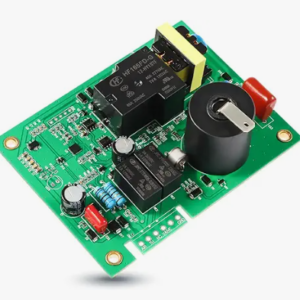
- FAN 50 PLUS Ignitor Board — Universal 12V furnace ignitor board with fan control
- 6kW LPG Combi Heater — Truma Combi 6E replacement combi boiler
Need help choosing the right propane regulator for your RV? Contact our technical team with your RV make, model, and appliance list. Free shipping and duties included.
You must be logged in to post a review.


Reviews
There are no reviews yet.